
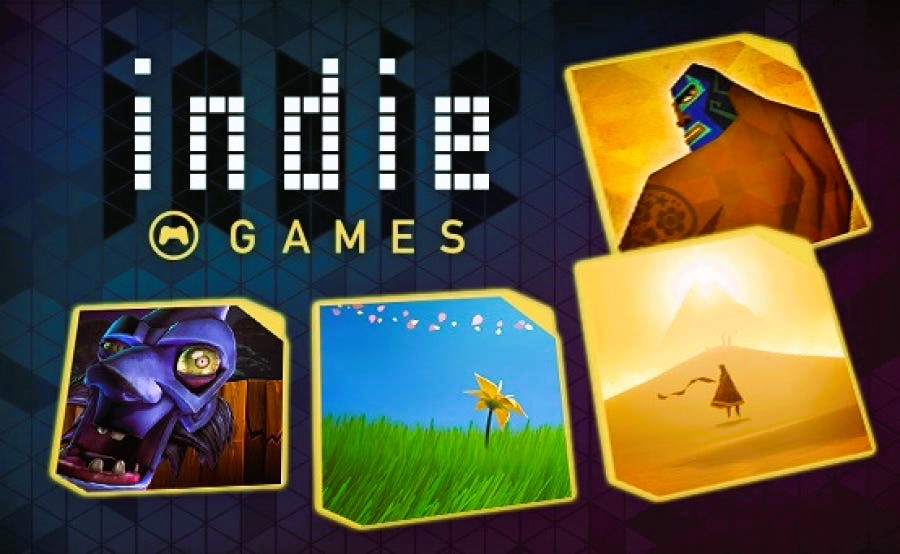
The gaming industry has witnessed a remarkable transformation over the past few decades, largely due to the emergence of indie games. These titles, often developed by small teams or individual creators, have introduced a wave of creativity, innovation, and fresh perspectives that have significantly influenced the gaming landscape. This article explores the impact of indie games on the industry, highlighting key innovations and trends that have reshaped how we perceive and engage with video games.
A New Wave of Creativity
One of the most notable aspects of indie games is their ability to push creative boundaries. Unlike major studios, which often rely on established franchises and formulas, indie developers have the freedom to explore unique ideas and unconventional gameplay mechanics. This creative freedom has led to the development of some of the most innovative and memorable titles in recent years.
For instance, Journey, developed by Thatgamecompany, offers a profound emotional experience that emphasizes exploration and connection over traditional gameplay mechanics. The game’s minimalist design and focus on visual storytelling demonstrate how indie games can challenge conventions and create a lasting impact on players. Similarly, Celeste, a platformer developed by Maddy Makes Games, combines tight gameplay with a deeply personal narrative about mental health, showcasing how indie titles can address meaningful themes while delivering engaging gameplay.
Diverse Storytelling and Themes
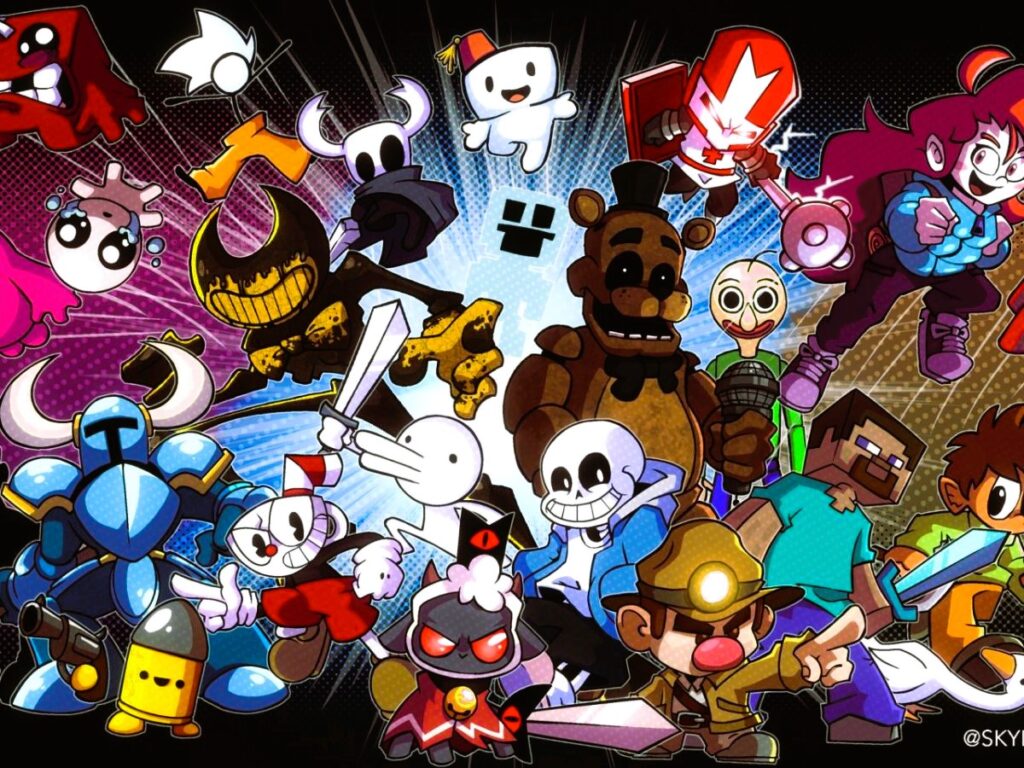
Indie games have also been instrumental in diversifying storytelling within the gaming medium. With fewer constraints, indie developers can tackle a wide range of topics, from personal narratives to social issues. This diversity not only enriches the gaming landscape but also allows players to engage with stories that resonate with their experiences.
For example, Night in the Woods explores themes of mental health, economic struggles, and the complexities of growing up in a small town. Its relatable characters and heartfelt storytelling demonstrate the power of indie games to address real-world issues in a nuanced and engaging manner. Similarly, Undertale challenges traditional role-playing game conventions by allowing players to choose non-violent paths, fostering discussions about morality and choice in gaming.
Innovative Gameplay Mechanics
Indie games have also contributed to the evolution of gameplay mechanics. Many indie developers experiment with innovative designs, resulting in fresh gameplay experiences that challenge players in new ways. This innovation often leads to the creation of entirely new genres or subgenres within the gaming landscape.
A prime example of this is Superhot, a first-person shooter where time moves only when the player moves. This unique mechanic not only redefines the traditional shooter experience but also encourages strategic thinking and careful planning. Likewise, Return of the Obra Dinn employs a distinctive art style and gameplay mechanics that require players to piece together a mystery through deduction and observation, creating an experience that feels both refreshing and engaging. Find out more about choosing the perfect throwing weapon for your playstyle here.
Building Community and Accessibility
Indie games have played a significant role in fostering community engagement within the gaming industry. Many indie titles emphasize cooperative gameplay or community-driven experiences, allowing players to connect and collaborate. Games like Stardew Valley and Don’t Starve Together encourage social interaction, enabling players to work together towards common goals while creating lasting friendships.
Moreover, indie games have made gaming more accessible to a broader audience. With the rise of digital distribution platforms like Steam and itch.io, indie developers can reach players without the need for expensive marketing campaigns or publishing deals. This accessibility has resulted in a diverse array of games, appealing to various tastes and preferences, from casual players to hardcore enthusiasts.
Embracing Retro Aesthetics
Another trend driven by indie games is the resurgence of retro aesthetics and gameplay styles. Many indie developers draw inspiration from classic games, utilizing pixel art, chiptune music, and nostalgic gameplay mechanics. This embrace of retro aesthetics not only appeals to older gamers but also introduces younger players to the charm of vintage gaming.
Titles like Shovel Knight and Hyper Light Drifter pay homage to classic platformers and action RPGs, blending modern design sensibilities with retro visuals. This revival of old-school styles showcases the enduring appeal of classic gaming while offering fresh experiences that resonate with players of all generations.
The Rise of Game Jams
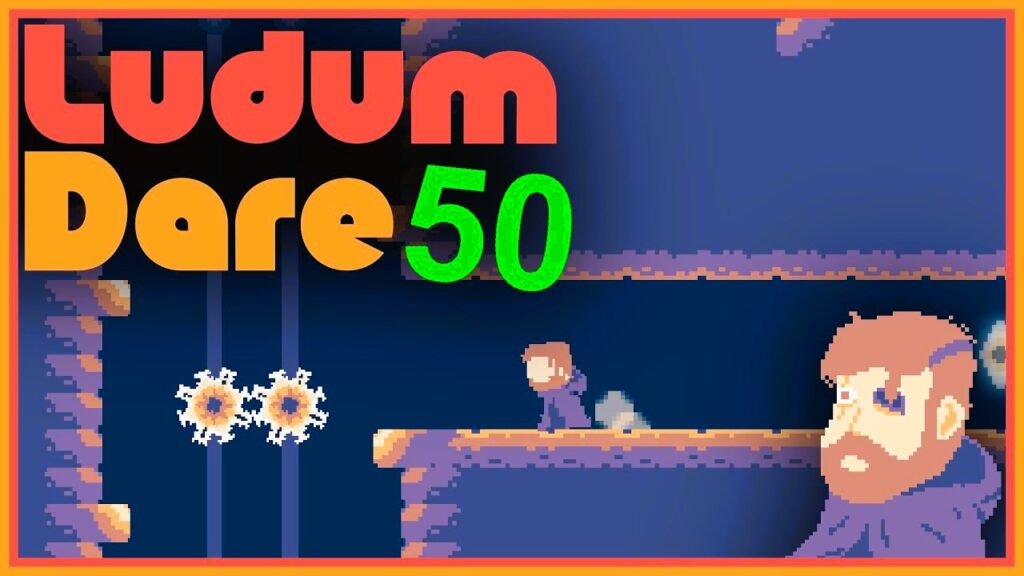
Game jams, events where developers create games within a limited timeframe, have become a significant aspect of the indie game development scene. These events encourage creativity, collaboration, and experimentation, often resulting in unique and innovative game concepts. Many successful indie games, such as Ludum Dare titles, have originated from game jams, highlighting their importance in fostering new ideas and talent within the industry.
By providing a platform for developers to showcase their skills and creativity, game jams contribute to the growth of the indie game community. They also allow players to discover and support new talent, further enriching the gaming landscape.
Conclusion: The Lasting Impact of Indie Games
The influence of indie games on the gaming landscape cannot be overstated. Through their innovative designs, diverse storytelling, and community-driven experiences, indie titles have reshaped how players engage with video games. As the industry continues to evolve, the contributions of indie developers will remain a vital force in pushing the boundaries of creativity and engagement in gaming.
With the growing recognition and support for indie games, players can look forward to a future filled with even more innovative experiences that challenge conventions and inspire new generations of gamers. The indie scene is not just a segment of the gaming industry; it represents a vibrant and essential part of the ongoing evolution of video games.
For more information on the influence of indie games in the gaming industry, visit Wikipedia.